A steady place for the next step
Recovery grows through structure, support, and community.
Continuing Recovery Center is a nonprofit recovery home in Irving, Illinois, helping adults build stability and move toward lasting, independent recovery.
Serving the community since 1987
501(c)(3) nonprofit
Montgomery County, Illinois
A place to practice recovery, one day at a time.
You do not have to figure out the next chapter alone. CRC offers a substance-free home, daily structure, shared responsibility, and connection with others committed to recovery.
Our story
Built on understanding and new beginnings.
900+
individuals guided along the path to sustainable recovery
Continuing Recovery Center began not with corporate backing, but with a shared dream born from personal struggle.
CRC was founded by two recovering alcoholics, Mary Kay Sinclair and Mary Howard, who understood firsthand what it takes to rebuild a life after addiction. They knew the months immediately following detox can be both critical and fragile, and they wanted to create the safe, supportive bridge they wished they had during their own recovery journeys.
Mary Kay, a former newspaper worker, and Mary, a retired coal miner, had both survived severe battles with alcoholism. After finding the gift of sobriety, they felt called to help others do the same. They envisioned a sanctuary where each person would be known, valued, and given the chance for a fresh start.
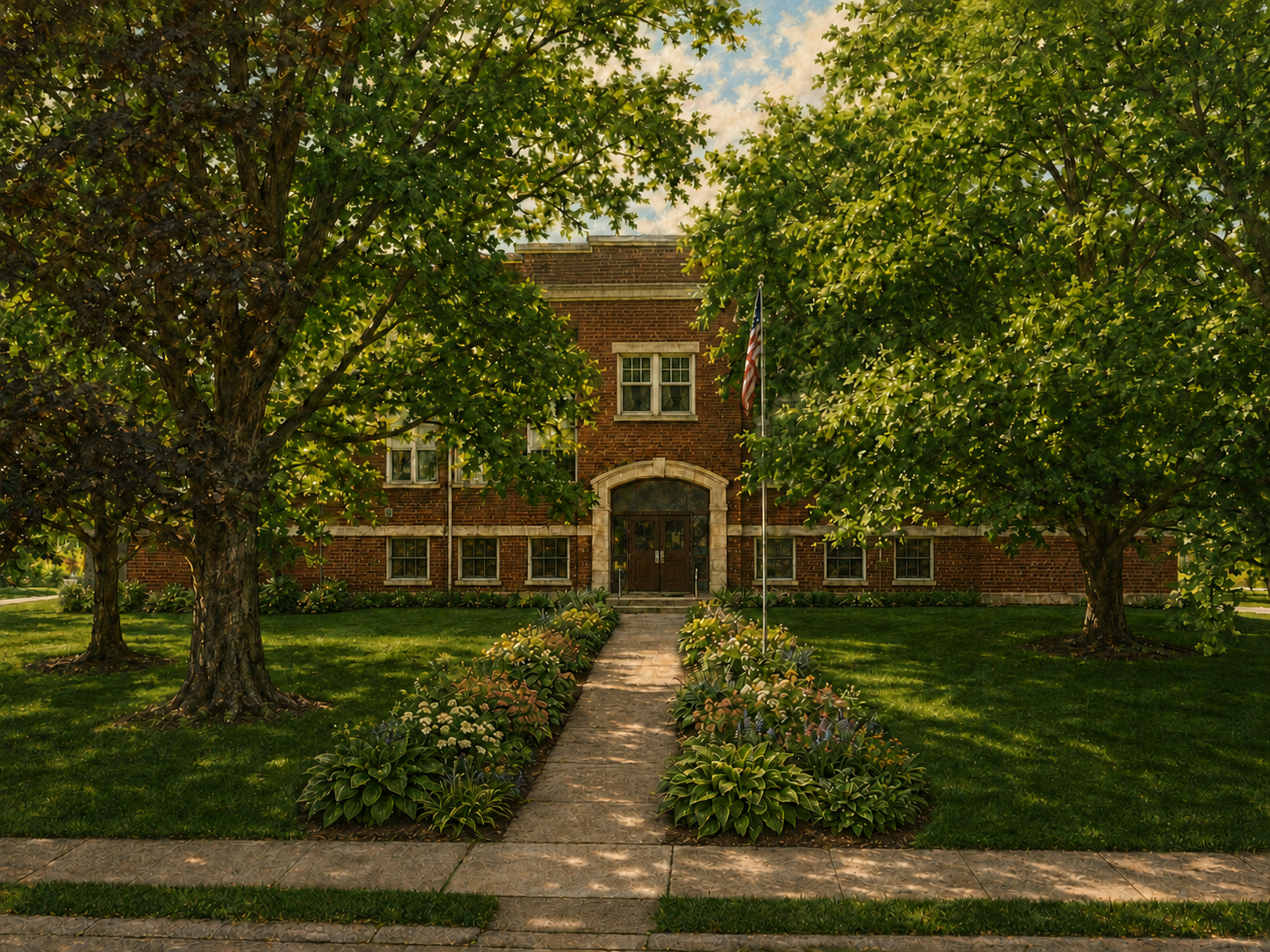
To bring their vision to life, they chose a vacant red-brick grade school in the quiet town of Irving. They transformed its old classrooms into comfortable residential spaces, trading an institutional atmosphere for the warmth, safety, and comfort of a true home.
June 1987
CRC officially opened as a recovery community grounded in 12-step principles, structured support, practical life skills, and peer connection.
October 1992
The building was dedicated to Jesse Kershaw, an essential figure who helped guide and protect this safe haven during its early years.
What began as a courageous leap of faith by two people who had walked in the same shoes has become a vital lifeline. When you step through CRC’s doors, you enter a place built by people who understand your past, believe in your future, and are ready to help you write your next chapter.
How CRC supports recovery
A home with purpose, not just a place to stay.
Recovery is strengthened through consistent routines, real responsibility, and people who understand the work it takes.
01
Safe, sober housing
A substance-free living environment where recovery remains the priority.
02
Daily structure
Routines, meals, meetings, and shared responsibilities that build stability.
03
Recovery community
Peer connection, accountability, and links to 12-step recovery support.
04
Moving forward
Life skills and support as residents prepare for continuing housing and independence.
What to expect
A practical, supportive next step.
Every person’s situation is different. A conversation with CRC is the best way to understand current availability, program fit, costs, and what to bring.
✓
Call and ask questions
CRC can explain current details and help you understand whether the home may be a fit.
✓
Learn the structure
Residents share a home with clear routines, expectations, meetings, chores, and quiet hours.
✓
Join the community
Recovery at CRC includes participation, mutual respect, and responsibility to the household.
✓
Build toward independence
The goal is growing stability and practicing the skills needed for life beyond CRC.
Admissions
Basic eligibility
CRC is designed for adults who are ready to continue their recovery in a structured, shared living environment.
- Must be at least 21 years old.
- Must have a primary diagnosis of substance use disorder.
- Must have completed at least one 21- to 28-day inpatient treatment program.
- Must have completed medical detoxification.
- Must be medically stable and appropriate for a non-medical recovery-home setting.
- Must be able to live safely in a shared group environment and manage routine daily responsibilities.
- Must be able to safely and independently climb and descend three flights of stairs regularly. CRC does not have an elevator.
- Must be willing to commit to CRC’s six-month program.
- Must agree to follow CRC’s house rules, recovery requirements, medication procedures, daily schedule, and household responsibilities.
- Must be willing to participate in required recovery activities, including meetings, sponsorship, and recovery work.
- Must surrender personal cell phones, laptops, and similar electronic devices upon admission. Use of these devices is not allowed at CRC.
Resident life
Structure, support, and a focus on recovery.
Life at Continuing Recovery Center is built around consistency, accountability, and connection. Each day balances recovery activities, household responsibilities, appointments, employment, recreation, and personal time. The goal is to help residents develop the routines and practical skills needed for lasting recovery and successful independent living.
A typical weekday
Each day has a steady rhythm.
Residents begin by getting up, getting dressed, making their beds, and preparing for the day. Late mornings may include employment, job searching, medical or counseling appointments, recovery work, approved community activities, or personal time.
Every resident contributes through assigned chores and household responsibilities. Evenings generally include an outside recovery meeting or a scheduled in-house meeting, along with time for recreation, exercise, reading, journaling, sponsor contact, and connecting with peers.
8:00 a.m.Breakfast, followed by scheduled medication time
8:30 a.m.Morning transportation meeting
9:00 a.m.In-house recovery meeting
12:00 p.m.Lunch
Early afternoonIn-house group meeting on most weekdays
2:00 p.m.Assigned chores and household responsibilities
5:00 p.m.Dinner
01
Recovery is the priority
Residents participate in a structured program that includes in-house and community recovery meetings, sponsorship, recovery work, and an individualized recovery plan. Staff support is available around the clock.
02
Learning to live as a community
Residents practice respect, hygiene, room care, cooking, food safety, housekeeping, budgeting, shopping, time management, communication, and conflict resolution.
03
Appointments, employment, and transportation
CRC helps coordinate transportation for required meetings and approved appointments. Residents may work, pursue education, search for employment, address legal or benefit needs, and connect with community resources.
04
Evenings and weekends
Evenings and weekends maintain recovery and household responsibilities while allowing time for meetings, approved visitors, recreation, chores, and personal time with peers.
Resident rules
Clear expectations support a strong recovery community.
Review CRC’s complete resident standards and responsibilities, organized by topic for easy reading.
Schedules may vary because of employment, appointments, transportation needs, weather, and program activities. Current posted schedules and staff instructions guide daily activities.
Reach out
The first step can be a simple conversation.
Call CRC directly for current program information, availability, and questions about supporting the organization. Please call before visiting.
Continuing Recovery Center
202 W. Central St.
Irving, IL 62051
Mailing address: P.O. Box 130, Irving, IL 62051
Need immediate help?
CRC is not an emergency service.
Immediate dangerCall 911
Mental health or substance use crisisCall or text 988
Illinois substance use helpline1-833-2FINDHELP